
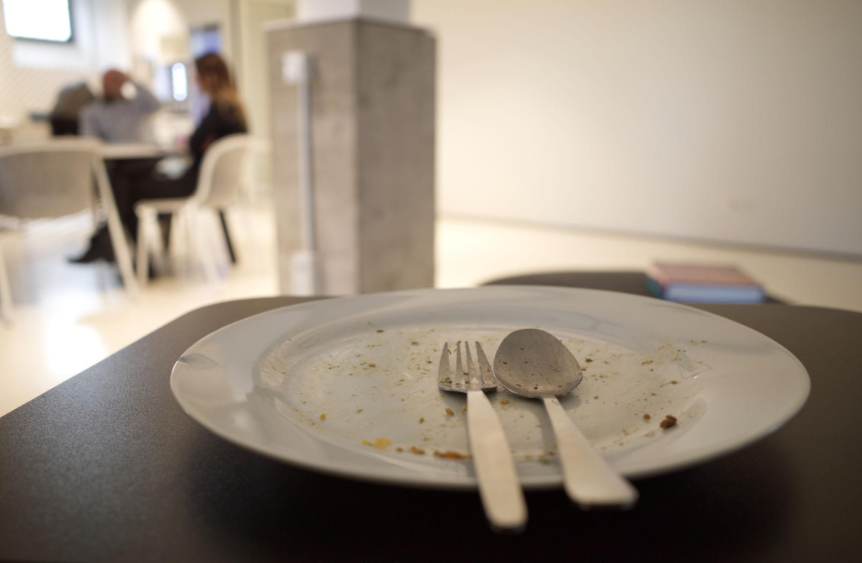
Up to UGX 300,000 a month. That is the upper end of what a civil servant in Uganda used to receive as a lunch allowance money that, for many, was the difference between eating during an eight-hour shift and going without. From this financial year, that allowance is gone.
What just happened?
Under Establishment Notice Number 3, the public service ministry has scrapped lunch allowances for civil servants effective the 2026/27 financial year. The old allowance ranged from UGX 60,000 to UGX 300,000 a month depending on rank. Government’s reasoning: salaries have been rising in phases since 2018/19, over UGX 3.2 trillion has already gone into that enhancement, and lunch money is being “consolidated” into the payslip instead.
On paper, this looks generous. Uganda’s 2026/27 public sector wage bill was pushed up to roughly UGX 9.7 trillion, an increase of about UGX 1.1-1.2 trillion on the previous year. Arts teachers, headteachers, town clerks and assistant commissioners are among those who got real raises this cycle.
Why a bigger number on the payslip not the same as a meal?
Here is the problem with “consolidation”: once lunch money disappears into gross salary, it stops being lunch money. It becomes part of an income that must now also cover rent, transport, school fees and healthcare. Because the new Public Service Contributory Pension Scheme requires employees to contribute a share of their pay, the deductions on their payslips are also increasing.
A local government union leader interviewed by “The Weekend Vision” estimated urban local government workers were spending roughly UGX 10,000 a day on food, about UGX 280,000 a month across a standard working schedule. For lower cadres whose gross pay is far below that, a raise that looks good in a press release can still leave nothing left for lunch once tax, pension and transport are deducted.
A pay rise is not a meal. It is a number. What determines whether a worker eats today is what is left in their pocket after every deduction and whether food is affordable where they work.
A hungry public service cannot deliver
This is not only a workers’-rights story. Think about who depends on these workers being fed and functional:
- A hungry teacher is still expected to teach through a full afternoon.
- A hungry nurse must stay alert while treating patients.
- A hungry extension worker still has to travel into rural communities.
- A hungry town clerk still has to serve the citizen at the counter.
When public servants cannot afford a proper meal at work, the cost does not stop with them; it reaches the learner, the patient, the farmer, and the ordinary Ugandan standing in line for a service.
What Uganda’s own law and policy already say about lunch at work
Uganda already has a legal answer to whether a worker should eat during their shift, and it isn’t a cash bonus. The Occupational Safety and Health Act, 2006 devotes Section 54, “Facilities for meals,” to exactly this, requiring every employer to provide and maintain proper meal facilities for staff, sitting it alongside drinking water and washing facilities as a basic welfare obligation, not a discretionary allowance. The Uganda Food and Nutrition Policy and Nutrition Action Plan reinforce the same point, already naming the workplace as a delivery platform for nutrition. Establishment Notice Number 3 answers a compensation question; Section 54 answers a welfare question, and satisfying one does not discharge the other, which is why this is not a sentimental ask but a call for government to apply the law and policy it has already committed to.
The low-pay, corruption link: what the evidence actually shows
It is tempting to draw a straight line from low pay to bribery, and there is research that affirms part of that claim. Academic reviews of civil service reform note that corruption tends to take hold when wages fall below a basic living wage, partly because accepting bribes starts to feel more acceptable once pay drops beneath the poverty line. Surveys by Uganda’s own Directorate of Ethics and Integrity similarly point to low salaries as one factor pushing lower-level officials toward petty graft to cover daily living costs.
Uganda’s own Inspectorate of Government has noted that senior, well-paid officials feature in scandals more than underpaid juniors. Uganda still ranks 148th of 180 countries on the 2025 Corruption Perceptions Index, and the IGG estimates UGX 9-10 trillion is lost yearly regardless of pay levels.
Nobody is arguing against paying civil servants more. The ask is narrower:
1. Run a real food-cost and welfare assessment before removing lunch support, especially for lower salary scales, where the raise is smallest relative to the lost allowance.
2. Protect lunch support for lower cadres while consolidating it for senior officers who can absorb the change.
3. Consider workplace canteens or meal subsidies instead of cash allowances harder to divert, and they guarantee the actual outcome: a fed worker, not just a bigger number on paper.
The government can rightly say it is spending more on its workforce than ever before. But spending more and ensuring a worker eats during their shift are two different promises. A salary increase should not come at the cost of a worker’s Right to Food, and the people who suffer when it does not, are not just civil servants. They are Ugandans who need a rested, focused public servant to teach their child, treat their illness, or process their paperwork today.