
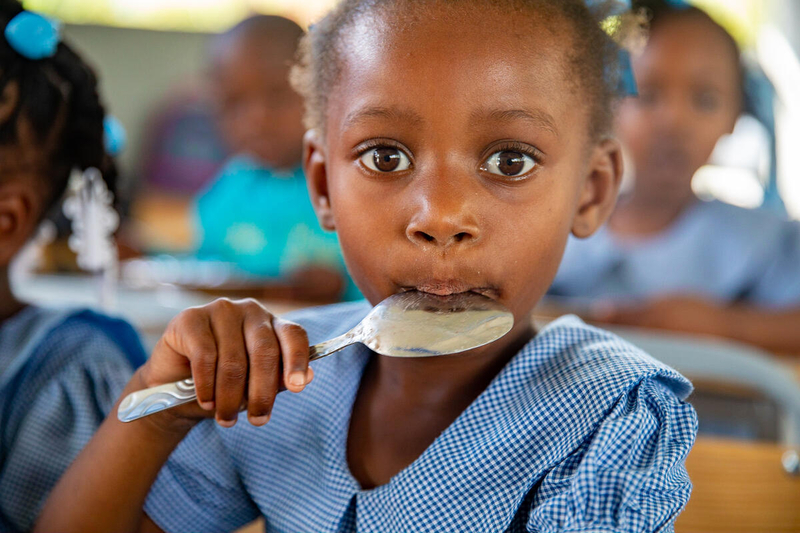
Currently, 66% of over seven million primary school children in Uganda spend their school day without a meal. Those who do eat often receive inadequate nutrition. This is more than neglect; it is a violation of the fundamental right to food.
The Cost of Inaction
The 2025/2026 budget earmarked UShs 11.4 trillion for human capital, yet allocated zero shillings for school feeding. This delay causes irreparable harm, as malnutrition destroys cognitive development, increases dropout rates, and undermines the future of an entire generation.
A Missed Opportunity for Investment
School meals are one of the most effective investments available. Every $1 invested returns between $7 and $35 in health, education, and agricultural productivity. Global examples prove this:
- In Brazil, 30% of school food is sourced from family farmers, lifting millions out of poverty.
- In India, 118 million children are fed daily, contributing to a 47% reduction in child labor.
- While in Ghana, Farm sales increased by 33% due to school feeding programs.
Policy Stagnation
While the Ministry of Health has drafted a national school menu featuring local nutritious foods like simsim and groundnuts, the Cabinet has yet to approve it. Furthermore, Uganda’s Nutrient Profile Model (NPM) designed to ban the marketing of ultra-processed junk food to children remains unimplemented. Consequently, unhealthy snacks are flooding school canteens while balanced meals remain unaffordable for millions.
A Call to Action for the Second Term
To the Government: Approve and fund the National School Feeding Policy immediately. Implement the NPM and link school procurement to local farmers to drive agro-industrialization.
To the Ministry of Education: Publish enforceable meal standards and ban junk food marketing on school premises, including canteens and sponsorships.
To School Administrators and Teachers: Establish zero-junk zones and school gardens. Track student nutrition and advocate for those suffering from hunger.
To Parents: Organize via PTAs to demand that the government prioritizes nutrition alongside academics.
To Students: Your hunger is not your fault. Use your voice to advocate for the healthy food you need to thrive.
The Right to Food is the Right to Live. We must ensure every child is fed every day as a matter of right, not as a favor.